
 AR
AR
Understanding Liquidity
By Daman Markets Academy
Share the knowledge


Liquidity is what keeps markets moving smoothly, and it’s the key to faster and cheaper trading execution.
The term itself refers to how easily an asset can be bought or sold without causing a major change in its price.
The more liquid a market is, the easier it is for traders to enter and exit positions quickly, often with tighter spreads and lower trading costs.
When liquidity is low, execution can become slower, spreads can widen, and prices may move more sharply.
What is Liquidity?

A liquid market usually has high trading volume, plenty of active buyers and sellers, and enough order depth to absorb trades smoothly.
This is one reason the forex market is considered one of the most liquid markets in the world. It operates 24 hours a day, five days a week, and brings together banks, institutions, brokers, businesses, and traders across multiple time zones.
This constant global participation helps create deep liquidity, with daily forex trading volumes exceeding $7 trillion.
Why Liquidity Matters for Traders
Market liquidity matters because it affects how quickly and efficiently you can open or close a position. In a liquid market, there are usually more buyers and sellers available, which makes it easier for trades to be matched without causing a major change in price.
For example, a seller can often find a buyer without needing to lower the price significantly, while a buyer may not need to pay much more to enter the market. This helps create smoother trading conditions and can reduce the risk of sharp price jumps caused by thin market activity.

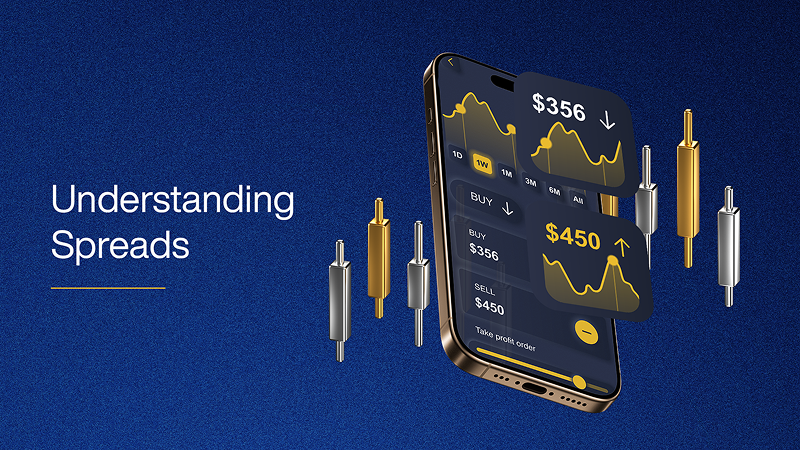
Liquidity also plays an important role in the spread.
When there are many buy and sell orders in the market, the highest price buyers are willing to pay and the lowest price sellers are willing to accept tend to move closer together.
This can lead to tighter bid-ask spreads, helping reduce trading costs.
Examples of Liquid and Illiquid Markets
Liquid markets: Forex majors like EUR/USD are examples of highly liquid markets, with over $7 trillion traded daily. High liquidity means consistent trading activity, making it easy to trade without major price shifts. Large-cap stocks, along with popular commodities like gold and oil, are also known as highly liquid markets.
Illiquid markets: Exotic currency pairs, like USD/TRY or USD/ZAR, lack the same number of buyers and sellers. This makes trading conditions more challenging, and price swings more extreme. Smaller-cap stocks are also prone to low liquidity.

Pros and Cons of Liquidity

Spread Cost Calculation and Liquidity’s Role
Let’s say you trade 10,000 units of EUR/USD with a bid price of 1.10369 and an ask price of 1.10372. The spread is 0.00003, or 0.3 pips.
On a 10,000-unit EUR/USD trade, each pip is worth around $1, so a 0.3-pip spread would cost approximately $0.30.
In a highly liquid market, spreads are usually tighter because there are more buyers and sellers competing at similar prices. This allows traders to enter and exit positions more efficiently, with lower transaction costs.
In an illiquid market, the opposite can happen. Fewer participants and thinner order books can cause spreads to widen, meaning the trade starts at a higher cost. The market then needs to move further in your favour before you even reach breakeven.
Conclusion
Liquidity is the lifeblood of efficient trading. It determines how smoothly you can enter and exit positions, how much you pay in transaction costs, and how accurately prices reflect market conditions.
However, liquidity isn’t without its nuances. While it opens the door to smoother trading conditions, it can also amplify volatility in certain scenarios.
In the end, mastering liquidity isn’t only a matter of saving costs. It’s really about understanding the market’s condition and being able to adapt when those conditions change, ultimately setting yourself up to act with clarity and precision.
Share the knowledge
By Daman Markets Academy
This is not investment advice. Past performance is not an indication of future results. Your capital is at risk, please trade responsibly.